

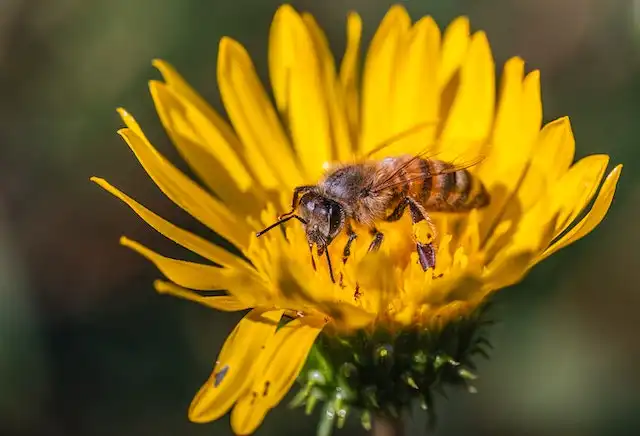
Pollinators are the unsung heroes of the natural world, playing a vital role in the reproduction and survival of countless plant species. From buzzing bees to fluttering butterflies and an array of other insects and animals, pollinators are the facilitators of plant fertilization, ensuring the continuation of diverse ecosystems. In this SEO article, we uncover the remarkable role of pollinators and explore why they are crucial for the balance and well-being of our planet.
The Pollination Process: A Crucial Collaboration
Pollination is a biological process that enables plants to reproduce sexually. It involves the transfer of pollen from the male reproductive organs (stamen) of a flower to the female reproductive organs (pistil) of another flower of the same species. This transfer of pollen can occur within the same flower (self-pollination) or between different flowers (cross-pollination).
Pollinators act as essential intermediaries in this process. As they forage for nectar and pollen to feed themselves or their offspring, they inadvertently carry pollen from one flower to another, facilitating fertilization. Without pollinators, many plants would be unable to produce seeds or fruit, leading to a decline in plant populations and subsequent impacts on the entire ecosystem.
The Bee Buzz: Powerhouse Pollinators
Bees, in particular, are among the most effective and abundant pollinators. They have co-evolved with flowering plants over millions of years, creating a mutually beneficial relationship. Bees rely on nectar and pollen as food sources, while plants depend on bees for pollination.
Honeybees, bumblebees, and solitary bees are all active pollinators, visiting numerous flowers during their foraging expeditions. They have specialized structures on their legs, called pollen baskets or corbiculae, to collect and transport pollen back to their nests. The efficient pollination efforts of bees are responsible for the reproduction of many crops and wildflowers, making them invaluable to agriculture and biodiversity.
Butterflies: Elegance in Pollination
Butterflies are not only captivating to observe but also contribute to the pollination process. While they may not be as efficient as bees, butterflies play a role in the reproduction of certain plants, especially those with tubular flowers. As they probe for nectar with their long proboscis, butterflies inadvertently pick up and transfer pollen.
Their broad wings and vibrant colors make them a delight to behold, and they add to the diversity of pollinators in various ecosystems. Like bees, butterflies are also dependent on the plants they pollinate for sustenance during their life cycles.
Beyond Bees and Butterflies: The Diversity of Pollinators
While bees and butterflies are perhaps the most well-known pollinators, they are by no means the only ones. An assortment of other insects, including beetles, flies, wasps, and moths, also contribute to pollination. Additionally, vertebrates like birds, bats, and some small mammals play a role in pollination, especially in specific regions and habitats.
The Global Impact of Pollinators
The contribution of pollinators to global food production cannot be overstated. A substantial proportion of the fruits, vegetables, nuts, and seeds consumed by humans and animals are the direct result of pollination. Furthermore, pollinators support the growth of plants that serve as food sources and habitats for countless other species, contributing to the overall health and resilience of ecosystems.
Threats to Pollinators: A Call to Action
Despite their critical role, pollinators are facing significant challenges. Habitat loss, pesticide use, climate change, and diseases have all contributed to declines in pollinator populations. This loss of pollinators poses a grave threat to food security and biodiversity.
Conservation efforts are crucial to protect pollinators and the ecosystems they sustain. Creating pollinator-friendly habitats, reducing pesticide use, and raising awareness about the importance of pollinators are some of the actions individuals, communities, and policymakers can take to safeguard these vital creatures.
Conclusion
Bees, butterflies, and other pollinators are truly remarkable creatures that play an indispensable role in the intricate web of life. Their tireless efforts to pollinate plants ensure the continued existence of diverse ecosystems and the availability of nutritious food for both humans and wildlife.
Understanding the importance of pollinators fosters a deeper appreciation for the complexity and interconnectedness of nature. By embracing conservation efforts and supporting pollinator-friendly practices, we can ensure that these extraordinary beings continue their vital dance of pollination, sustaining life on Earth for generations to come.